Short version
There is never a perfect time to invest. From what I have seen, time in the market decides long-term results, rather than trying to time it. It is not if there is a downturn, it is when, and holding through a fall only works if you can carry the property. So plan for a rate rise, a vacancy and a repair before your first investment, not during one.
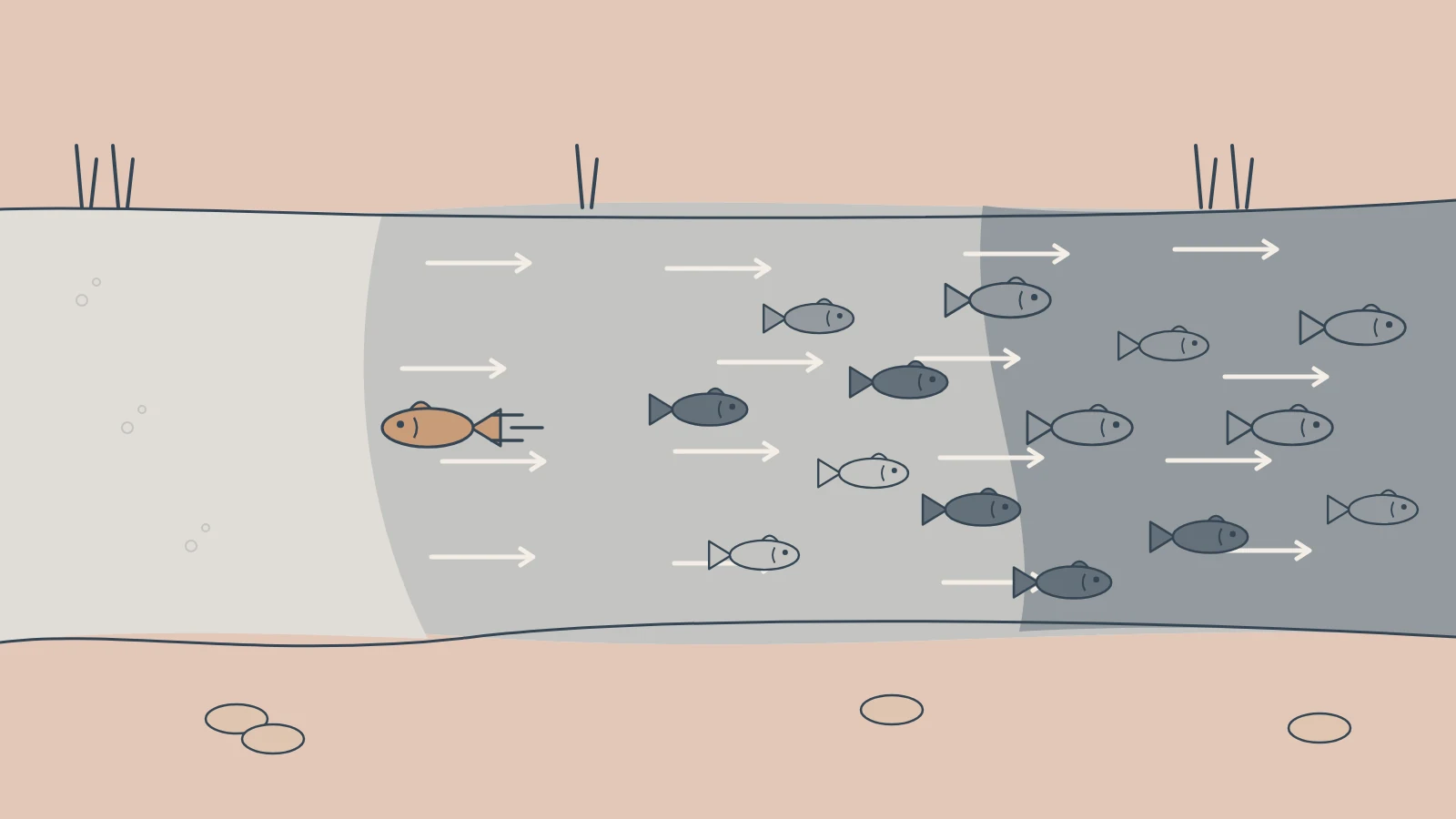

Is now a good time to invest in property? People ask it in every market, good and bad, and the answer does not change. There is never a perfect time. What decides long-term results, from what I have seen, is time in the market rather than trying to time it.
The fear never goes away. When the market is strong, the headlines say no one can afford a house. When it is weak, they say rates and inflation will sink everyone. Neither story helps you decide anything. It is not if there is a downturn, it is when, and what you do when it comes.
In 2008 we bought an investment property we planned to renovate and make our home. When the global financial crisis hit, the lender withdrew the building funds, so we let it to tenants instead. Within two years it was worth less than we paid. My wife was worried, as anyone would be. I stayed calm, because I comprehended what we owned and why we were holding it. We held on, renovated when we could, and we live in it today. It is worth far more than we paid.
Real estate is a long-term holding. In the short term, values and rents move both ways. The 2008 global financial crisis cut values for years in some places, and people who bought just before it could owe more than their property was worth. The COVID years ran the other way. Both were exceptions to the long-run pattern, as I read it, and both passed.
Rising rates raise the cost of holding, and over the cycles I’ve worked through, that cost has found its way into rents in time. The cash rate has risen five times this year, to 4.85 per cent in November. If you planned for rises before your first investment, they are uncomfortable. If you did not, they can force a sale at the worst time. That is why lenders test you at a higher rate than you pay, and why I show people what they could carry before they start.
Anyone who promises a straight line up is not telling you the truth. What helps is knowing what you own and why, so fear, yours or a partner’s, does not make the decision for you. Where knowledge is lacking, fear fills the gap.
If your property costs you more each week and selling feels like the only way out, this short film is for you. It shows why a decision made in panic is hard to undo, and how to run a safety check before you decide.
Captions are on. The full transcript is below the film.
Buy your cash flowLearn more first
What the film covers
- A loss on paper becomes a real loss, for good, once you sell.
- The repayment alone is only part of the picture. A full cash flow also shows the rent, the depreciation and the tax.
- Three what-ifs to test: a rent review, a rate change and money in your offset.
- A safety check before you sell: the Cash Flow Analysis, built on this year’s tax rules.
Transcript
I can’t afford this property. I’ll have to sell.
If that’s you, you’re far from alone. About six in ten investors polled are now out of pocket on their property.
Rates have risen and the tax rules have changed, but there’s no deadline to sell. And a decision made in panic is hard to undo.
If your property is worth less than you paid, that’s a loss on paper. Sell now and it becomes real, for good. And any growth from here goes to someone else.
Panic looks at the repayment alone. A full cash flow shows the rent, the depreciation, the tax and who pays. Try a rent review, a rate change, money in your offset. It may cost less than you feared, or confirm the worry. Either way, you decide on facts.
Don’t lose a property you could have kept.
Selling is a call you can’t undo, so run a safety check first: the Cash Flow Analysis. We don’t know what we don’t know. It’s built on this year’s tax rules. Where a rule is still before Parliament, it shows you both outcomes. In my view, it gives you more flexibility than others I’ve worked with, and so a better answer. Run any four what-ifs you choose.
Forty-nine dollars, or three for ninety-nine. Fill it in now.
Source: PIPA Annual Investor Sentiment Survey 2026.
Every situation is different. Education only, not personal or financial advice.
- If values fell next year, would anything force you to sell?
- Could you carry the property if rates rose again and stayed up?
- Is there a cash buffer for a vacancy or a repair?
- Who will you talk to before you decide anything?
Holding through a fall only works if you can carry the property. The time to plan for a downturn is before your first investment, not during one.
Fear is easier to carry with a plan made before it arrives.
A fall feels very different when you can see your own numbers. If you’d like to look at yours with me, your first call is free.
Nicholas Lockhart
Rates as at 4 November 2026.