
In short
- One SDA home, followed from build cost to valuation to asking price.
- Building can create value, but only once the home is finished, certified, enrolled and lived in; buying finished costs more, with the waiting and build risk behind you.
- Which route suits depends on what you hold, what you could borrow, and what you want your money to do.
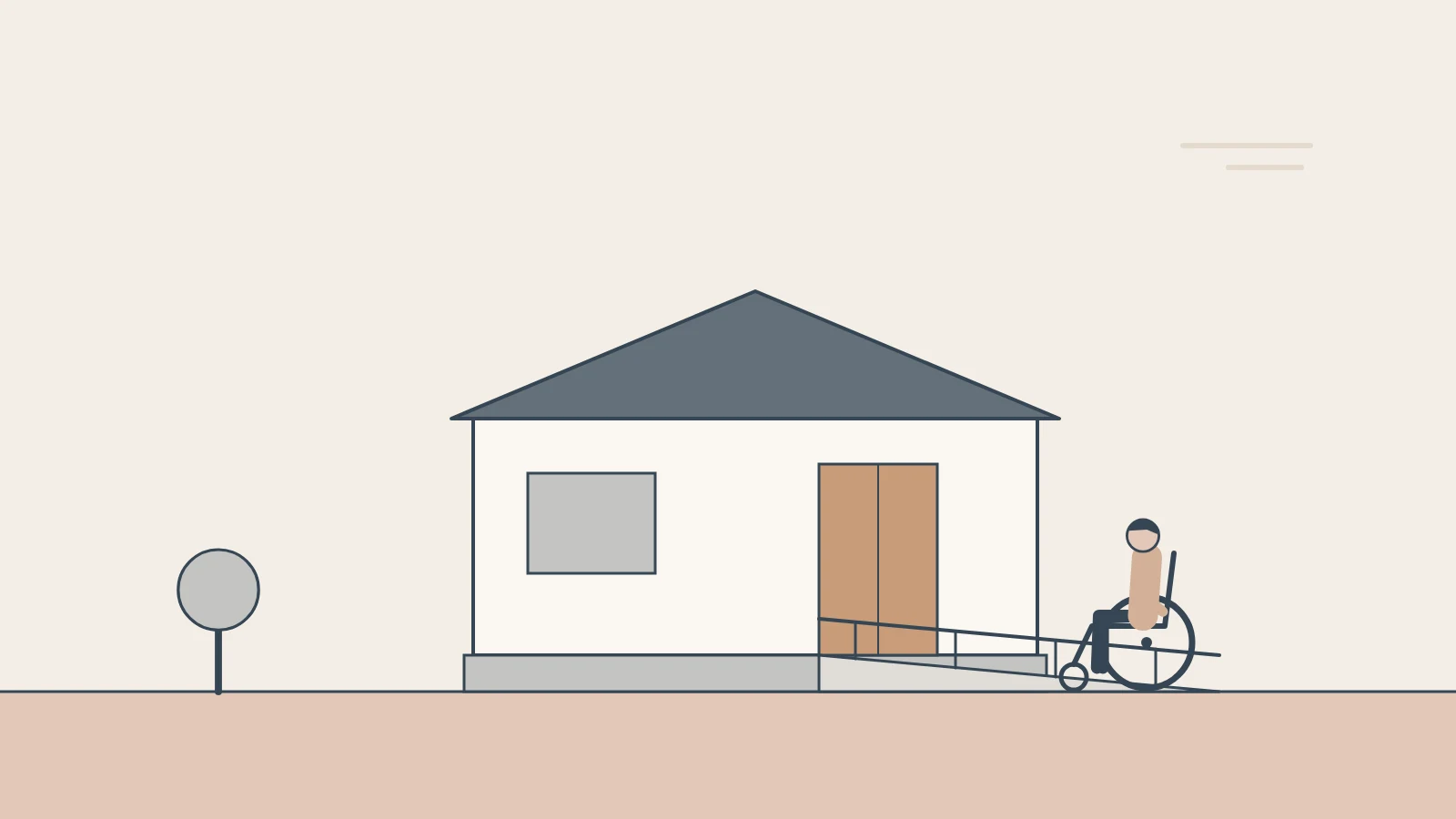
This is one home seen two ways. It is a high physical support SDA home, built for three residents, with a room for the onsite overnight carer. It was built for about $1.3 million. Now it is finished, certified and enrolled, and it is offered for sale at $2,145,000. The same walls, two prices, and which side of them suits you depends on who you are.
What it cost to build, and what it is offered for now
The figures below are for the same home. The left column is what it cost to deliver; the right is what it is offered for today, with the income in the selling agent’s brochure.
| Built | Finished, for sale | |
|---|---|---|
| Cost or price | $1,306,041 delivered cost, excluding GST | $2,145,000, their asking price in a brochure received 12 October 2026 |
| Valuation | $1,630,000, excluding GST: the as-if-complete value in a sworn valuation of May 2024, as extracted by the developer | not shown here |
| Gross income a year | the same home, once finished | $193,524 |
| Net income, year one | the same home, once finished | $162,560 |
| Net yield | not shown here | about 7.6% on the asking price |
| Timeline | completed in June 2025, SDA-certified in August 2025, and now enrolled | finished, enrolled and earning |
An asking price is what a seller hopes for, not what a valuer says a home is worth. Treat the right column as an offer.
If you are willing to build: the value a build can create
The delivered cost covered everything: the land and its costs, design, approvals, construction, accreditation and project management. Before the home was finished, a sworn valuation in May 2024 (as extracted by the developer) put its as-if-complete value at $1,630,000, excluding GST, well above what it cost to deliver. That gap is the reason some people build rather than buy.
It is not a promise. The gap only exists once the home is finished, certified, enrolled and lived in, and a build carries its own risks: approvals, construction, enrolment, and finding residents. There are months of outlay before any income arrives. Building suits someone who can carry that wait and wants the margin between cost and value for themselves.
If building makes you nervous
If it does, you have good reason: delays, costs that run over, a builder who goes quiet. In SDA’s early years I watched investors pay for homes in the wrong places, on dark streets where carers come and go at night. The team who walk this with you have, by my count, built about a dozen of these homes for themselves, with their own money, and manage every project from start to finish.
For nearly 30 years we have come to know who builds well, right across the country and across every kind of home: single homes, dual income homes, duplexes, townhouses, units and SDA. If an introduction would help, it’s yours, and you are never obliged to take it.
Each home is architecturally designed and, by the team’s own figures, 30 to 40 per cent larger than the SDA rules require. Before anything is built, every site has to pass a checkpoint. The team checks the demand: who is looking for a home in that area, and the local providers who support them. Only when a site passes that check is it cleared for a project. And they choose sites no building or enrolment rule requires, but the people living there need: close to public transport, hospitals and shops, on streets with good lighting, so a carer arriving at two in the morning feels safe. That level of detail is what sets these homes apart.
The finished home on the market now is one of their own, offered to show you what one is worth. Look at its cash flow and the equity it has built, and judge it for yourself. None of that takes away every risk. It takes away most of the guesswork, and you have me beside you the whole way.
If you won’t build again: buying one finished
Some people have built once and do not want to again. Buying a finished home means paying the market price rather than the cost price. In return, the waiting and the building risk are behind you, and you can see the enrolment, the lease and the figures before you sign. The selling agent’s brochure lists it at $2,145,000, with gross income of $193,524 a year, net income in year one of $162,560, and a net yield of about 7.6%.
The questions in the MRD Benchmark still apply to a finished home: where it is, how it is built, who lives there, what the lease says, what it costs to hold, and whether you can see each of those in writing.
If you want to borrow: what a finished home can change
A home that is finished, enrolled and occupied is a different thing to lend against than a block of land with a build contract. For some investors that opens commercial lending that a build could not get. Lending terms vary from lender to lender and change over time, so they are checked case by case. Nothing on this page is a promise of a loan.
What the figures don’t show
The income rests on SDA funding the NDIA pays to the provider, at prices the NDIA sets, and those rules can change. An empty room soon stops earning. A specialist home can take longer to sell, and its price leans on it staying enrolled and occupied. There are more parties, and more costs, than with an ordinary rental. These are set out on SDA homes, the bad with the good.
Which route suits you?
Build, buy finished, or neither: the answer turns on where you already stand. What do you hold, what could you borrow, and what do you want your money doing in ten years? Building Pathways sets your own position beside each route, like turning on a light in a dark room. Everything was already there; now you can see it. If I can’t see a pathway that would make a meaningful difference, I’ll tell you so. The direction stays yours, to weigh with your accountant.
This page shows the routes. What it can’t show is how each one sits in your own numbers, and that is where an SDA decision is won or lost.
Build or buy is a big fork in the road. A Building Pathways sets out each path, side by side, on your own numbers.
Nicholas Lockhart
Figures: delivered cost, the project’s financial declaration of actual costs, 2 March 2026, excluding GST; sworn valuation, May 2024, as if complete, excluding GST, as extracted by the developer; completion June 2025, SDA certification August 2025; asking price, gross and net income and yield, the selling agent’s brochure (undated; received 12 October 2026). An asking price is not a valuation. Education only, not personal or financial advice. SDA rules and lending terms change.