In short
- Specialist disability accommodation (SDA) is housing funded through the NDIS for people with extreme functional impairment or very high support needs. It is not ordinary residential property: it has its own rules, its own paperwork and its own people.
- Most of the harm in SDA came from people who went in for what they could get out of it, and from investors left to join the pieces together on their own.
- Done properly, one team manages the whole project from A to Z, and a home with its residents in place can be valued on the income it earns.
- It still carries risk. This page sets out where, and how a good team closes each gap.

What is specialist disability accommodation?
SDA is housing for NDIS participants with extreme functional impairment or very high support needs. Each home is built to one of four design categories (improved liveability, fully accessible, robust or high physical support) and enrolled with the NDIA through a registered SDA provider.
SDA payments come from each resident’s NDIS plan. The registered SDA provider claims them while the resident lives in the home, and passes the net amount to the owner under its lease. Each resident also pays a capped rent contribution from their own income. Their care is funded and run separately.
So an SDA home is not a rental in the usual sense. The person who lives there may never have had a home that fitted them before, and the home has to work for them every hour of the day.
How SDA went wrong
When the NDIS arrived, some operators looked at SDA only for what they could get out of it. Homes went up in the wrong places, built to the bare minimum, on streets where few people needed them. Investors lost money. But the people who suffered most were the ones the homes were meant for: people already homeless, or living in housing that did not suit them at all, who waited for homes that never came or came wrong.
I saw enough of that to tell people to stay clear of SDA for years.
Why SDA is not ordinary property
An ordinary rental has a buyer, a lender, a builder and a property manager. SDA adds design certification, NDIA enrolment, a registered SDA provider, a separate care provider, participants to be matched to the home, and rules that change. Each comes with its own paperwork.
If you try SDA on your own, you are likely to end up as the hub of a wheel with a dozen spokes: trades and professionals you do not know, and paperwork you have not had the time to comprehend. Most investors I have met in SDA started there. That is where people get fleeced: work of unknown quality, documents signed without being comprehended, and nobody to call when something goes wrong.
How SDA is done properly
The people I work with in SDA are not builders. They manage the whole project and everyone in it, from A to Z.
A, B and C come long before a slab is poured. They choose a site only where demand for SDA is strong, close to transport, health care and shops, on a street a carer is happy to arrive at after dark. They line up proven service providers at the start, so participants are ready to move in when the home is finished. And they do the paperwork: certification, enrolment and agreements. The build comes after that groundwork, and Z is long after the residents have moved in.
They have put about $18 million of their own money into homes built to hold. In all my years in property, I had not come across anyone so thorough about risk: every process in place, every detail covered. Meeting this team surprised me, and left me very impressed. Risk is still there, and you will find it set out below.
SDA done properly: the checklist
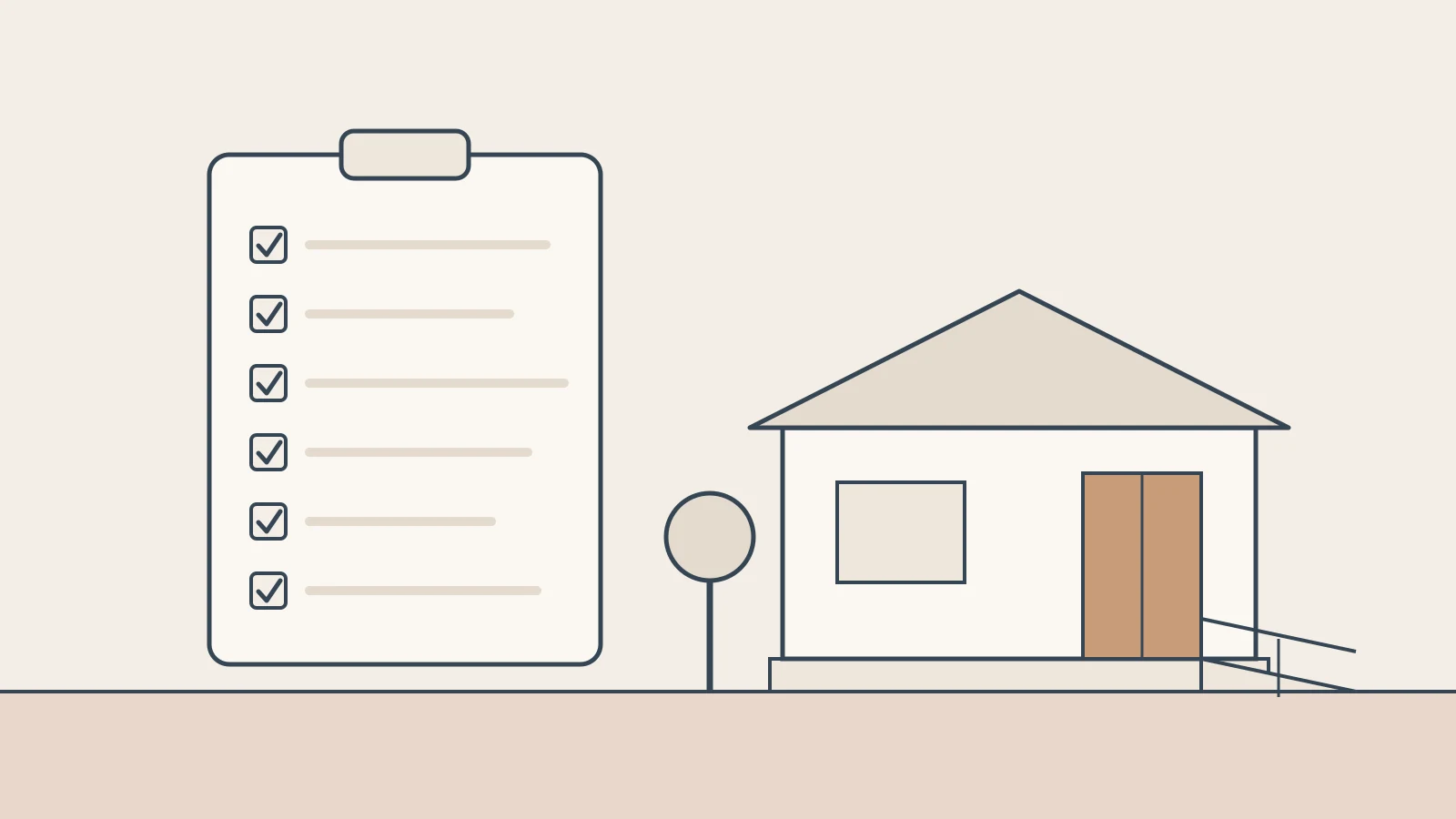
- Appropriate, dignified homes for some of the most disadvantaged people in our community.
- Stabilised: built, enrolled, residents in place and SDA payments flowing.
- Can be valued, once stabilised, on the income it earns, as commercial property is.
- A head lease with a registered SDA provider, up to 10 years with an option for 10 more, and an agreement for each resident that protects them.
- SDA prices indexed for inflation each 1 July from 2024 to 2027.
- Service providers run the household day to day, so the owner is not managing tenants or care.
What “stabilised” means, and how the home is valued
“Stabilised” is an industry term, not an NDIS rule. It means the home is built, enrolled, residents are in place and SDA payments are flowing. Until then, the home is a building waiting for its residents.
Once a home is stabilised, valuers can assess it on the income it earns, as with commercial property, rather than on nearby house sales. The value depends on that income holding.
The leases and the prices
The owner leases the home to a registered SDA provider, here for up to 10 years with an option for 10 more. Each resident has their own agreement with the provider under state tenancy law. It protects the resident: they can leave with notice, and the provider can end it only on set grounds.
SDA prices have been indexed each 1 July for inflation (CPI) from 2024 to 2027. For 2026-27 they rose about 4.6%. Prices after 2027 will be set by a later pricing decision.
A regional SDA home: the case study
A regional SDA home built by the team I work with cost about $1.31 million to deliver (excluding GST) and was finished in June 2025. A sworn valuation in May 2024, before it was finished, put its market value as an SDA home, as if complete, at $1.63 million: about $320,000 above what it cost to deliver, both excluding GST. The same valuation put its value for other uses at about $620,000 to $665,000. Its rent is about $194,000 a year, and listed outgoings are about $37,000 a year, before any maintenance allowance, which is not included.
It is a high physical support home for three residents and an overnight carer, built to hold. This one is offered for sale to test the market, at an asking price of about $2.1 million in a selling agent’s brochure from October 2026. An asking price is not a valuation, and it is not a sale. The market for homes like this is quiet.
The full figures for this home, built and finished, are in SDA home: build one, or buy one finished?
What can still go wrong in SDA
- Residents not placed. SDA can be claimed only while an eligible participant lives in the home, and participants choose where they live. A room without a resident earns nothing. The team chooses sites only where demand is strong and lines up providers before the build, so participants are ready when the home is.
- Pricing reviews. Indexation is set only to 2027, and since 24 September 2026 the Minister has set maximum SDA prices by determination. No one building a home controls that. In the case home, listed outgoings run at about a fifth of the income, which leaves room before a price change bites.
- Design category and enrolment. Every home must be enrolled with the NDIA. If a resident’s plan funds a lower design category, the provider can claim only that amount. The team builds to the category the local demand calls for, and has the design checked for certification before the build, and certified again once built.
- The build itself. Approvals, costs and builders can go wrong. One team managing every trade and every cost, with its own money in the same homes, closes most of that gap. It does not close every part of it.
Talk it through first
SDA is a long decision with its own rules. If it has been put to you, or you want to know whether it suits your position, your first call with Nicholas is free.
Nicholas Lockhart
Sources: NDIA, Our guidelines: Specialist disability accommodation; NDIS Pricing Arrangements for SDA 2026-27 and 2025-26; NDIS Pricing Schedule for SDA 2026-27 (24 Sep 2026); the project’s financial declaration of actual costs, 2 March 2026, excluding GST; sworn valuation, May 2024, as if complete, excluding GST, as extracted by the developer; the selling agent’s brochure, October 2026.
Education only, not personal or financial advice.